

About Us
We have one goal: for everyone to find their safe place to call home
Our goal is to help you find and maintain your home - one that meets all of your needs and more. We'll work tirelessly to make your rental experience as smooth and stress-free as possible.
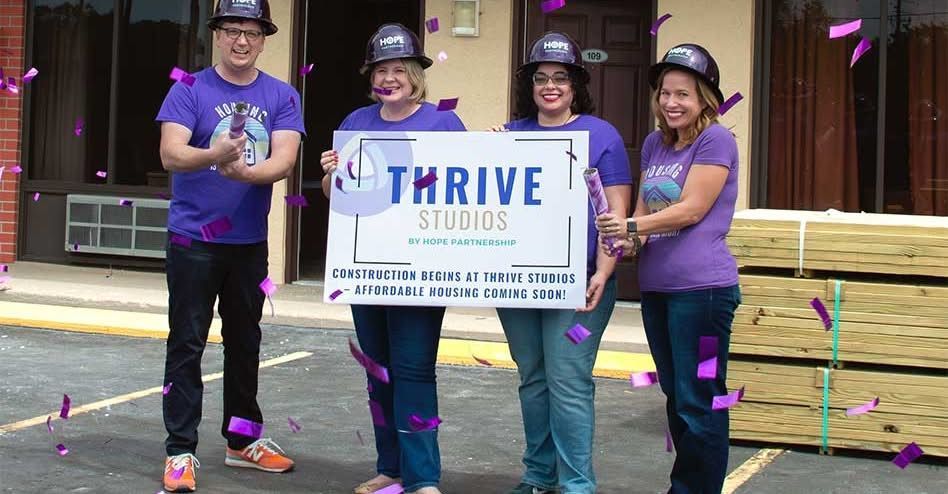
At Hope Properties, we're committed to bringing you the best rental experience possible. We hope you'll let us help you find your next place to call home.
We pride ourselves on fast response times, open communication, and engaged residents.
Values that drive everything we do
They’re the reason landlords and tenants choose us and return to us again and again.
Relationships
We commit to partnering with our neighbors, engaging our community with empathy, and valuing teamwork as a force for change.
Dignity
We believe that the best gift we can give to clients is empowerment. We believe that our work should be trauma-informed and person-focused.
Holistic Care
We commit to focusing on the whole person, extending grace and compassion, and working for just outcomes.
Effectiveness
We will work to earn trust in our work by being people of integrity and competence. We will be action-oriented, letting our impact speak for us.
Leadership
The challenges we face are difficult ones, and they require us to be flexible, adapting to an ever-changing environment. We will solve problems courageously, forging unique methods when necessary
Commitments
As a Trauma Informed organization, Hope Properties will adhere to these eight commitments to facilitate healing from trauma.
1
Nonviolence
Traumatized people have often experienced violence. The violence might be physical, psychological, social and/or moral. This commitment to Nonviolence produces the opposite experience for our community.
2
Emotional Intelligence
Traumatized people have often experienced insensitivity and disrespect regarding their behaviors and feelings. Emotional Intelligence moves us to understand the relationship between our clients' negative experiences and their emotions and behaviors, so we can respond with those experiences in mind.
3
Social Learning
Traumatized people often isolate themselves as a form of self-protection and engage in repetitive patterns of thinking and behavior. Social Learning promotes collaborative thinking and problem-solving to break dysfunctional and repetitive patterns of behavior. We emphasize the person’s and family's exposure to others' perspectives and ideas. To mitigate the isolating effects of shame, we teach our clients to view mistakes as positive learning opportunities.
4
Democracy
Traumatized people often have experienced an overwhelming sense of helplessness during the traumatic event, which can lead to learned helplessness in the future. Democracy requires active participation and empowerment as a way to replace that helplessness.
5
Open Communication
Traumatized people develop a heightened sense of secrecy as a result of prolonged exposure to traumatic experiences such as sexual abuse and parental alcoholism. Open Communication creates a community that tolerates the expression of emotions and openly explores interpersonal and organizational issues.
6
Social Responsibility
Traumatized people and families often experience injustice either during or in response to reporting a traumatic event. Social Responsibility focuses on building communities in which people feel a sense of responsibility and care for each other and the group as a whole. This commitment also assures that people are held accountable for their actions.
7
Growth and Change
Traumatized people often become paralyzed by their experiences so that they continue to relive or repeat the past in ways that prevent healing or growth. Growth and Change is a commitment to evaluate current behaviors while focusing on the future by setting achievable goals and breaking dysfunctional patterns.
8
Equity and Cultural Humility
Childhood adversity or trauma such as abuse and neglect, parental substance abuse and incarceration, oftentimes are rooted in community environments lacking equity as measured by concentrated poverty, poor housing conditions, higher risk to violence and victimization, and homelessness. Even when these connections are not present, the day-to-day experience of unjust systems on marginalized persons cannot be separated from the experience and effects of trauma. A commitment to Equity and Cultural Humility asks us to not lose sight of the lens of equity within traumatic systems and invites us to a life-long pursuit of institutional and individual healing.